

By Jayanth MK | Scooplist Travel | Originally published March 16, 2026
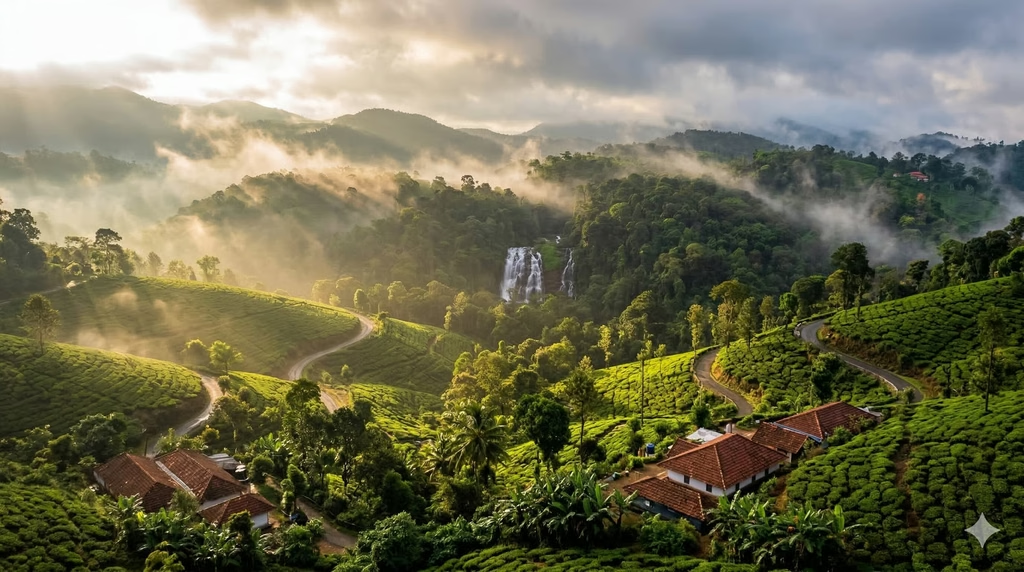
Coorg (Kodagu) is one of Karnataka’s most beautiful hill destinations, known for misty mountains, coffee plantations, waterfalls, wildlife and distinctive Kodava culture.
Located in the Western Ghats, approximately 260 km from Bengaluru, Coorg offers a refreshing combination of natural beauty, history, traditional cuisine and adventure.
Whether you’re planning a weekend escape, a romantic getaway or a longer road trip, this Coorg travel guide for 2026 covers the best places to visit, local food, travel tips and a practical itinerary.
Coorg Travel Guide: Quick Facts
| Detail | Information |
|---|---|
| Location | Kodagu district, Karnataka |
| District headquarters | Madikeri |
| Famous for | Coffee, waterfalls, hills and Kodava culture |
| Distance from Bengaluru | Approximately 260–270 km to Madikeri |
| Best time to visit | October–March |
| Recommended duration | 3–4 days |
| Ideal accommodation | Coffee plantation homestay |
History and Culture of Coorg
Coorg has a distinct cultural identity shaped by the Kodava community, its traditions and the Western Ghats landscape.
The region was influenced by several South Indian kingdoms, including the Gangas, Cholas and Hoysalas.
From the 17th century, the Haleri dynasty ruled Kodagu until British annexation in 1834. After Independence, Coorg became a separate Indian state before merging with Mysore State, now Karnataka, in 1956.
Kodava culture is known for its traditional clothing, festivals, ancestral homes called ainmanes and distinctive cuisine.
Celebrations such as Kailpodh, Puthari and Kaveri Sankramana remain important cultural occasions.
Kodagu is also associated with Field Marshal K. M. Cariappa, independent India’s first Indian Commander-in-Chief of the Army.
Why Is Coorg Famous for Coffee?
Coorg is one of India’s most important coffee-growing regions.
Its shaded plantations cultivate both Robusta and Arabica coffee, often alongside pepper, cardamom and other spices.
According to Coffee Board statistics, Kodagu is among India’s largest coffee-producing districts, with Robusta contributing the greater share of its harvest.
A guided plantation visit offers an opportunity to learn about coffee cultivation, harvesting, drying, roasting and brewing.
Staying at a plantation homestay is one of the best ways to experience this agricultural heritage.
Top 10 Places to Visit in Coorg
1. Abbey Falls – Coorg’s Famous Waterfall
Located approximately 6–8 km from Madikeri, Abbey Falls drops around 70 feet through lush greenery and coffee estates.
A designated viewpoint offers excellent views of the waterfall, particularly during and after the monsoon.
Best time: July–December.
Visitor tip: Karnataka Tourism lists 9 AM–5 PM for entry. Swimming is prohibited, and access can be restricted during severe weather.
2. Raja’s Seat – Best Sunset Viewpoint
Raja’s Seat is a scenic garden and viewpoint in Madikeri, traditionally associated with the rulers of Kodagu.
It overlooks the surrounding hills and valleys, making it particularly attractive during sunrise and sunset.
Best time: Early morning or evening.
Visitor tip: Allow 30–60 minutes and visit on a clear day for the best views.
3. Madikeri Fort – A Glimpse into Kodagu’s History
Originally constructed under the Haleri rulers, Madikeri Fort was rebuilt in granite during Tipu Sultan’s period.
The complex contains historic structures, masonry elephant sculptures and a former church associated with a museum.
Best for: History and architecture.
Visitor tip: Check whether the museum and specific sections are open before visiting.
4. Talacauvery – The Sacred Origin of the Kaveri
Located approximately 46–48 km from Madikeri, Talacauvery is revered as the birthplace of the River Kaveri.
Situated in the Brahmagiri Hills, the pilgrimage site features a sacred spring, temple complex and mountain viewpoints.
The annual Kaveri Sankramana festival, generally celebrated in October, attracts many devotees.
Best for: Spiritual tourism and mountain scenery.
Visitor tip: Combine Talacauvery with nearby Bhagamandala Temple.
5. Namdroling Monastery – The Golden Temple
Situated at Bylakuppe near Kushalnagar, Namdroling Monastery is one of Karnataka’s most remarkable Buddhist sites.
The monastery is associated with the Nyingma tradition of Tibetan Buddhism and features magnificent golden statues, colourful murals and prayer halls.
Timings: Generally 9 AM–6 PM.
Entry: Usually free.
Visitor tip: Maintain silence, dress respectfully and follow photography restrictions inside prayer halls.
6. Dubare Elephant Camp – Wildlife Education
Dubare Elephant Camp, near Kushalnagar, offers visitors an opportunity to learn about elephants and observe them under the supervision of trained staff.
Following updated safety protocols in September 2026, visitors must remain in designated viewing areas.
Important 2026 update: Touching, feeding and bathing elephants are prohibited.
Initial reopening arrangements provided guided morning sessions, generally between 9:30 AM and 11:30 AM. Confirm the latest access schedule before travelling.
7. Mandalpatti Viewpoint – Misty Mountain Views
Approximately 25 km from Madikeri, Mandalpatti is famous for panoramic Western Ghats views and cloud-covered valleys.
The final approach includes rough mountain roads, with locally operated jeeps commonly used for access.
Best time: October–February, particularly in the morning.
Visitor tip: Confirm jeep availability, forest permissions and weather conditions before setting out.
8. Iruppu Falls – A Scenic Forest Waterfall
Iruppu Falls, also known as Lakshmana Tirtha Falls, lies in southern Kodagu near the Brahmagiri Wildlife Sanctuary.
The waterfall is associated with a Ramayana legend in which Lakshmana creates a water source for Lord Rama.
Its forest setting makes it popular with nature lovers and pilgrims.
Best time: Post-monsoon and winter.
Visitor tip: Wear footwear suitable for slippery paths and follow forest safety restrictions.
9. Omkareshwara Temple – Madikeri’s Historic Shrine
Built in 1820 by King Lingarajendra II, Omkareshwara Temple is dedicated to Lord Shiva.
Its architecture combines distinctive domes, arches and traditional temple elements.
A large water tank in front of the shrine adds to its peaceful atmosphere.
Best for: Religious heritage and architecture.
Visitor tip: Visit during quieter morning or evening hours.
10. Kaveri Nisargadhama – A Family Nature Getaway
Near Kushalnagar, Kaveri Nisargadhama is a forested river island known for bamboo groves, shaded pathways and natural surroundings.
A hanging bridge connects visitors to the island.
It is a relaxing stop, especially for families travelling through northern Kodagu.
Best for: Nature walks and family outings.
Visitor tip: Check which facilities and boating activities are operating before visiting.
Best Food to Try in Coorg
Kodava cuisine is an essential part of the Coorg experience.
Pandi Curry: A traditional Kodava pork curry flavoured with local spices and kachampuli, a distinctive souring ingredient.
Kadambuttu: Soft steamed rice dumplings, commonly served with meat curries.
Bamboo Shoot Curry: A seasonal Kodava speciality prepared from bamboo shoots.
Noolputtu: Delicate steamed rice noodles served with curries or coconut-based accompaniments.
Akki Roti: Rice-flour flatbread enjoyed with chutney and traditional preparations.
Coorg Coffee: Freshly brewed Arabica or Robusta coffee sourced from local estates.
For authentic home-style food, a locally operated homestay is an excellent option.
Best Places to Visit Near Coorg
Nagarhole National Park: A major wildlife destination known for elephants, deer, gaur and predators. Safaris require authorised bookings.
Mysore (Mysuru): Karnataka’s royal heritage city, famous for Mysore Palace, Chamundi Hills and Dasara celebrations.
Wayanad, Kerala: A neighbouring Western Ghats destination offering forests, waterfalls, Edakkal Caves and scenic drives.
Belur and Halebidu: Historic Hoysala temple destinations recognised within UNESCO’s Sacred Ensembles of the Hoysalas.
Tadiandamol Peak: Kodagu’s highest peak at approximately 1,748 metres, popular for trekking. Forest permits and regulated guide requirements apply.
Barapole River: Known for seasonal white-water rafting, subject to river conditions and authorised operator availability.
Best Time to Visit Coorg
| Season | Months | Experience |
|---|---|---|
| Winter | October–February | Cool weather, misty mornings, sightseeing |
| Summer | March–May | Pleasant mornings, coffee blossoms, outdoor activities |
| Monsoon | June–September | Heavy rainfall, lush greenery, strong waterfalls |
October to March is generally the best time for sightseeing and outdoor activities.
Monsoon visits can be beautiful, but heavy rain increases the risk of slippery roads, landslides, swollen rivers and trekking restrictions.
How to Reach Coorg
By Road
Madikeri is approximately 260–270 km from Bengaluru, depending on the route.
The popular journey passes through Mysuru and Kushalnagar. Allow around 5–7 hours depending on traffic, road conditions and stops.
By Train
Coorg has no railway station within the district.
Mysuru, Hassan and Mangaluru are useful railway connections, followed by a road journey.
By Air
Nearby airport options include Kannur, Mysuru and Mangaluru. Route availability and onward driving distances differ.
Local Transport
Private cars and local taxis are convenient because Coorg’s attractions are spread across a large district.
Suggested 3-Day Coorg Itinerary
Day 1: Explore Madikeri
Visit Madikeri Fort, Omkareshwara Temple and Abbey Falls. Spend the evening at Raja’s Seat.
Day 2: Coffee, Culture and Wildlife
Explore a coffee plantation, visit Namdroling Monastery and enjoy Kaveri Nisargadhama. Add Dubare Elephant Camp if a suitable visitor session is available.
Day 3: Mountains and Sacred Sites
Take an early morning trip to Mandalpatti, then visit Bhagamandala and Talacauvery if time and road conditions permit.
For a four-day visit, consider adding Iruppu Falls, Tadiandamol or an authorised Nagarhole safari. These are distant or time-consuming excursions and should not be squeezed into an already full day.
Why Choose a Coffee Plantation Homestay?
A plantation homestay can offer a more personal experience than a conventional hotel.
Guests may enjoy guided estate walks, freshly prepared Kodava meals, local coffee and conversations about the region’s history and traditions.
Choose a registered homestay with reliable reviews, safe access roads and clear information about meals, parking and cancellation policies.
If you prefer resort facilities, accessibility or greater privacy, a hotel may still be the better option.
Essential Coorg Travel Tips
- Book accommodation early during weekends and holidays.
- Confirm waterfall, safari and forest access before travelling.
- Avoid driving unfamiliar hill roads late at night or in heavy rain.
- Use authorised guides for regulated forest treks.
- Carry rain protection and suitable walking shoes.
- Buy coffee and spices from established local producers.
- Respect plantation boundaries and local customs.
- Keep extra travel time between Madikeri, Kushalnagar and southern Kodagu.
Frequently Asked Questions
How many days are enough for Coorg?
Three days are ideal for major attractions. Four to five days allow more time for plantations, waterfalls, trekking and nearby destinations.
What is Coorg famous for?
Coorg is famous for its coffee plantations, misty hills, waterfalls, Kodava culture, traditional food and Western Ghats landscapes.
Which month is best to visit Coorg?
October to February generally offers the most comfortable sightseeing conditions.
Is Coorg good for a road trip from Bengaluru?
Yes. The Bengaluru–Mysuru–Kushalnagar–Madikeri route is popular for weekend and multi-day road trips.
Can tourists bathe elephants at Dubare?
No. Under the updated September 2026 safety arrangements, visitors cannot touch, feed or bathe elephants.
Is Coorg worth visiting during the monsoon?
Yes, for travellers who enjoy lush scenery and rain. However, waterfalls, roads and forest attractions may be restricted during severe weather.
Final Verdict
Coorg is one of Karnataka’s most rewarding destinations for nature, culture and slow travel.
From Abbey Falls and Mandalpatti’s misty viewpoints to the sacred Talacauvery, colourful Namdroling Monastery and distinctive Kodava cuisine, the region offers far more than a conventional hill-station getaway.
For the best experience, spend at least three days, choose a comfortable base and include a guided coffee plantation visit.
Have you visited Coorg? Share your favourite place or local dish in the comments!
Explore more Karnataka travel guides, road trips and cultural destinations on Scooplist.
Sources and References
- Karnataka Tourism – Coorg Guide
- Kodagu District Administration – Tourism
- Kodagu District – Tourist Places
- Coffee Board of India – Coffee Statistics
- Karnataka Tourism – Abbey Falls
- Karnataka Tourism – Golden Temple
- Kodagu District – Madikeri Fort
- Karnataka Tourism – Tadiandamol
- Jungle Lodges – Dubare Elephant Camp
Editorial note: The cultural and historical information is based on published records and local traditions. Ticket prices, visitor hours, forest permits and activity availability may change.